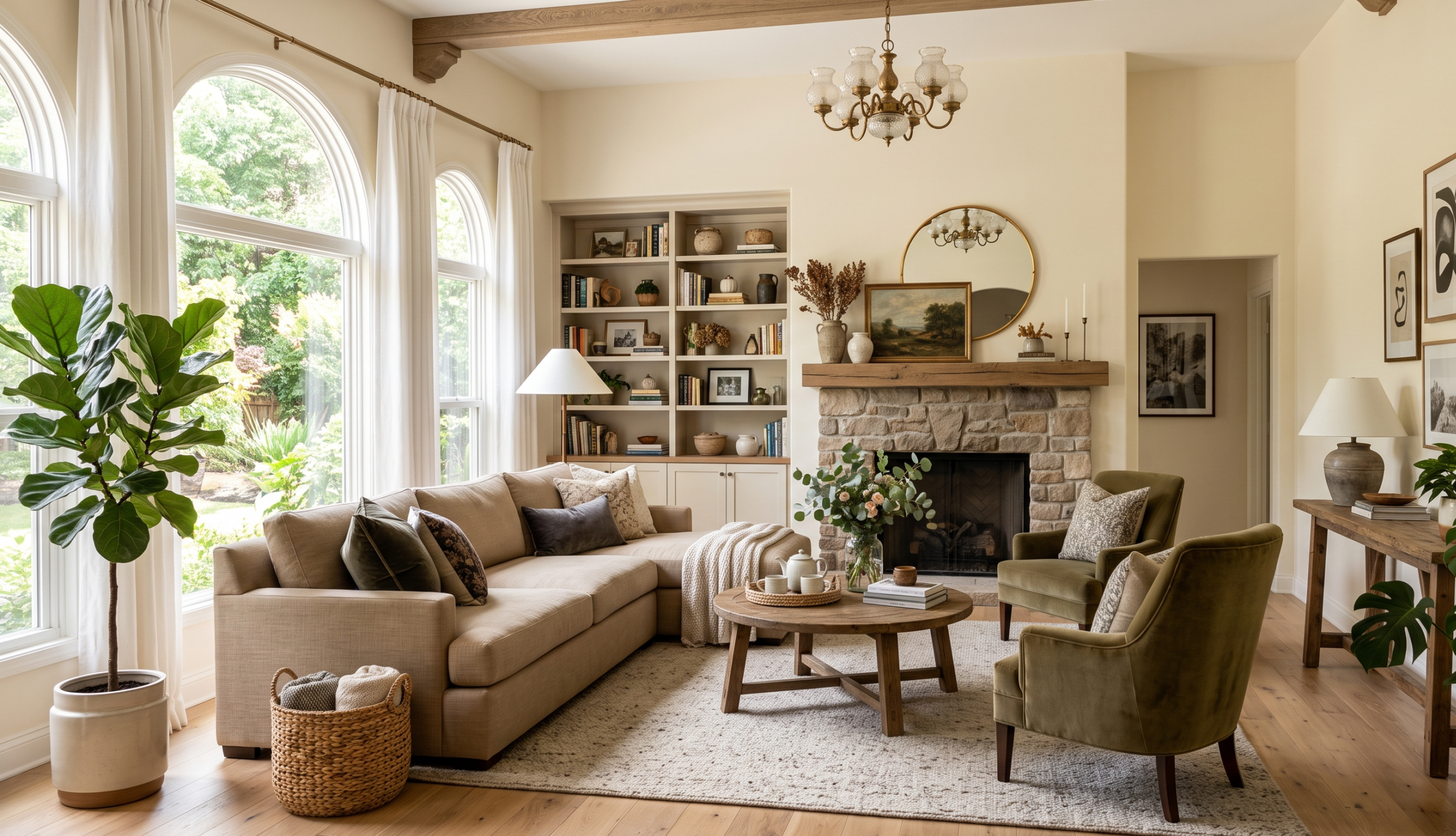
Why We Need to Decorate the House?
Why We Need to Decorate the House? The Ultimate Guide to Transforming Your Space
Your house is more than just four walls and a roof over your head. It is the backdrop of your daily routine, a sanctuary from external stress, and a direct reflection of your identity. While many view interior decoration as purely cosmetic or an unnecessary expense, home decor plays a vital, science-backed role in mental health, emotional stability, productivity, and overall well-being.
Whether you are moving into a new space or updating your current sanctuary, understanding why we need to decorate the house helps you make intentional design choices that elevate your lifestyle. Here is an in-depth look at the fundamental reasons home decoration is essential.
1. Enhances Mental Health and Mood (Neuro-Architecture)
The concept of neuro-architecture how our physical environment impacts our brain chemistry demonstrates that interior design directly influences our emotions.
- Color Psychology: Colors trigger specific physiological responses. Soft blues and muted greens promote calm and reduce anxiety, while warm yellows and terracotta shades boost energy and creativity.
- Natural Light & Airflow: Properly arranged furniture maximizes natural sunlight, which regulates circadian rhythms, enhances vitamin D synthesis, and improves sleep quality.
- Reduced Stress: A thoughtfully decorated room minimizes clutter and visual chaos, triggering lower cortisol levels (the body’s stress hormone).
2. Personal Expression and Identity
Your home is an extension of who you are. Decorating gives you a canvas to express your personality, culture, values, and life journey.
- Displaying Memories: Incorporating family heirlooms, travel souvenirs, and gallery walls creates an environment rooted in personal history and warmth.
- Style Manifestation: Whether you lean toward minimalism, rustic farmhouse, bohemian chic, or modern industrial design, decor communicates your aesthetic preferences without words.
- A Sense of Belonging: Customizing your living environment builds a powerful psychological bond, making a temporary structure feel like a permanent home.
3. Boosts Functionality and Daily Efficiency
Decoration is not merely about aesthetics; it is deeply rooted in functionality and ergonomics. Proper layout planning transforms underutilized areas into high-value zones.
- Spatial Organization: Smart decorative elements like floating shelves, multifunctional furniture, and decorative baskets keep items organized while enhancing visual appeal.
- Traffic Flow: Thoughtfully placed rugs, lighting fixtures, and seating arrangements guide movement smoothly throughout the room.
- Ergonomics: Choosing the right furniture scale ensures comfort, posture support, and physical ease during daily activities.
4. Increases Home Value and Equity
If you own your home or plan to sell in the future, strategic decorating serves as a high-return investment.
- Enhanced Curb Appeal & Staging: Well-decorated homes stand out in real estate listings, attract potential buyers faster, and command higher selling prices.
- Modernization: Updating outdated lighting, hardware, paint, and fixtures preserves structural relevance and market value.
- Perceived Value: A clean, stylish interior projects proper home maintenance, reassuring prospective buyers about the quality of the property.
5. Elevates Social Connections and Hospitality
A warmly decorated home creates an inviting atmosphere for friends, family, and guests.
- Fosters Connection: Comfortable seating arrangements facing toward each other encourage organic conversation and meaningful social interaction.
- Welcoming Vibe: Ambient lighting, soft textiles, and pleasant scents make guests feel comfortable and relaxed instantly.
- Hosting Confidence: Being proud of your home decor eliminates social anxiety associated with hosting gatherings, parties, or family dinners.
6. Creates a Safe and Restful Sanctuary
In an increasingly demanding world, the home serves as the primary retreat for emotional and physical recovery.
- Promotes Better Sleep: A thoughtfully decorated bedroom with blackout curtains, restful colors, and clutter-free surfaces significantly improves sleep quality.
- Dedicated Zones: Defining specific zones—such as a quiet reading nook, a meditation space, or a dedicated workspace—helps maintain healthy boundaries between work and rest.
How to Decorate Your House Intentional: Quick-Start Tips
- Focus on Function First: Determine how each room needs to serve you before purchasing decorative items.
- Start with a Cohesive Color Palette: Choose 3-4 complementary shades to maintain visual balance throughout your home.
- Layer Lighting: Combine ambient, task, and accent lighting to create depth and flexibility.
- Incorporate Biophilic Design: Add house plants, natural woods, and organic textures to connect indoor spaces with nature.
- Prioritize Quality Over Quantity: Select a few meaningful, high-quality pieces rather than overcrowding surfaces with mass-produced clutter.
Frequently Asked Questions (FAQs)
What is the main purpose of home decoration?
The primary purpose of home decoration is to create a functional, visually appealing, and comfortable environment that enhances the physical, mental, and emotional well-being of its occupants.
Does decorating a home have psychological benefits?
Yes. Studies in environmental psychology show that intentional home decor reduces cortisol levels, improves sleep quality, boosts creative output, and enhances overall happiness.
How can I decorate my home on a budget?
You can decorate on a budget by using fresh paint, decluttering, rearranging existing furniture, incorporating indoor plants, updating cabinet hardware, and styling with DIY wall art or thrifted treasures.
What is the difference between home decor and interior design?
Interior design focuses on spatial planning, structural architecture, and functional space optimization. Home decor deals with aesthetic elements like color schemes, textiles, furniture selection, accessories, and styling.